
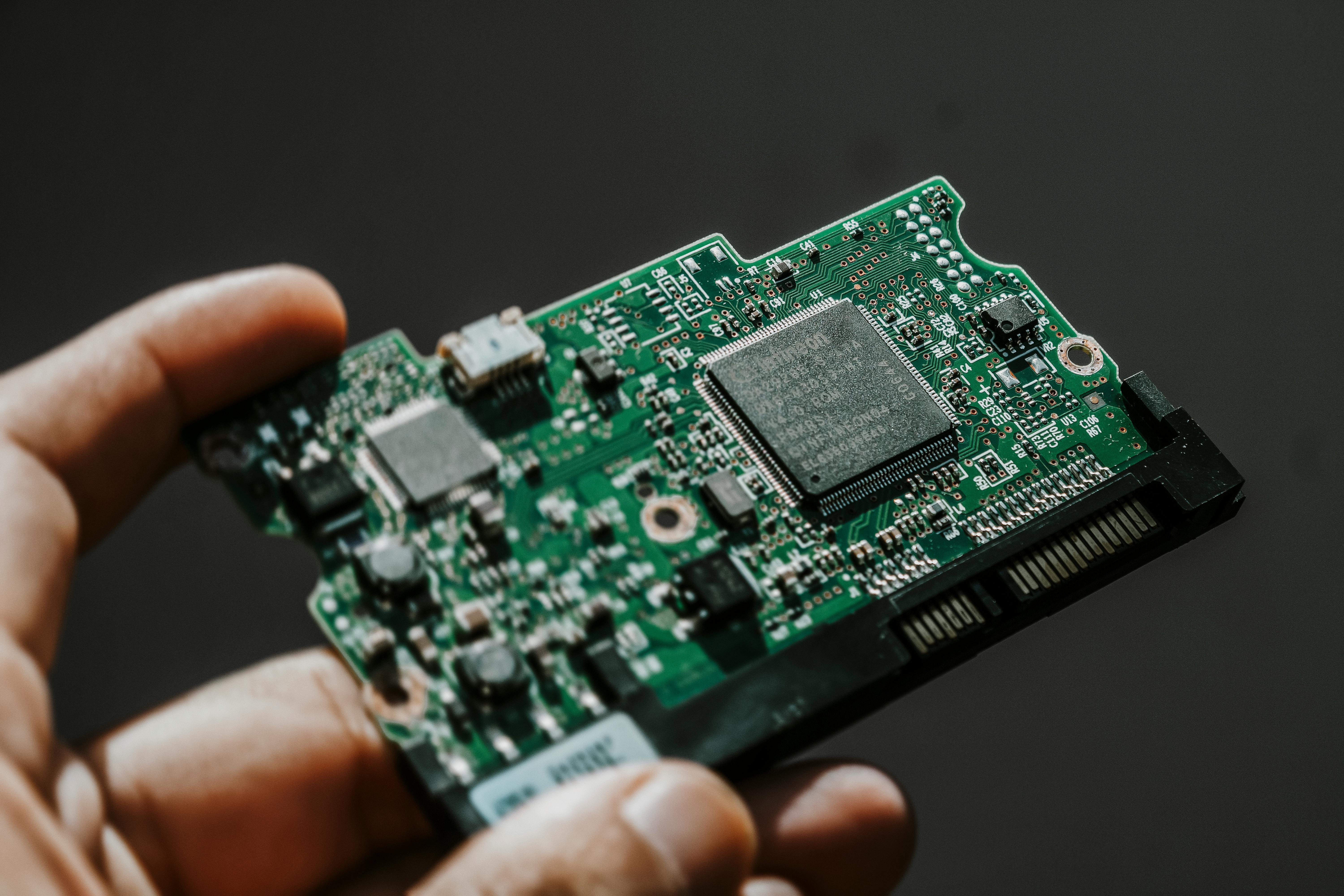
A product bought a year after launch may not contain the same components as the launch units. Substitution happens quietly and rarely changes the name on the box.
Why parts get swapped
Component supply is volatile. Shortages, price movements, factory changes and end-of-life notices from chip makers all force substitutions during a production run.
Designers therefore qualify more than one part for many positions, so production can continue when a preferred supplier cannot deliver on schedule.
Cost reduction drives the rest. Once a product is established, engineering effort shifts to building the same thing more cheaply.
What tends to be substituted
Storage controllers and memory in drives are frequent cases, and they affect sustained speed and endurance without changing the advertised capacity.
Power supply components, capacitors, wireless modules and touchpads are others, and each can alter behaviour that no specification sheet describes.
In laptops and phones, the same model name can cover different display panels, different cellular modems and different storage speeds across production batches.
Why the model number stays the same
Changing a model number means new packaging, new listings, new certifications in some cases, and the loss of accumulated reviews and search ranking.
As long as the substituted part meets the published specification, most jurisdictions require no announcement, because nothing advertised has changed.
Some manufacturers do mark revisions with a suffix or a version number, but the practice is inconsistent and often visible only on the label.
How buyers find out
Differences usually surface through user testing rather than through any announcement, when measured performance stops matching published reviews.
Revision codes on packaging labels, firmware versions and diagnostic software that reports the actual controller are the practical ways to identify a unit.
Enthusiast communities maintain lists of which revisions contain which parts, and those lists are frequently the only public record that a change occurred.
What this changes about relying on reviews
A review is a measurement of specific units at a specific time, and its performance figures may not describe stock produced much later.
The findings that remain reliable are those about design rather than components, such as ergonomics, layout, software behaviour and build quality.
For performance-critical purchases, checking the revision before buying and testing on arrival is what catches a substitution while a return is still possible.