
Discover how Artificial Intelligence is transforming smartphones and wearables in 2026. From hyper-personalized experiences and revolutionary computational photography to advanced on-device health monitoring and unparalleled productivity, we break down the must-have AI features and compare the leading devices. Get ready to upgrade to the future of personal tech!
Introduction to the AI Revolution in Your Pocket
Welcome to 2026, where the smartphone in your hand and the wearable on your wrist are no longer just devices; they are your most intelligent personal assistants, seamlessly integrated into every facet of your life. The era of pure hardware specifications dominating purchasing decisions is behind us. Today, the true power lies in Artificial Intelligence (AI), specifically on-device AI, which is redefining what our personal electronics can do. From anticipating your needs before you even realize them to transforming mundane tasks into effortless interactions, AI is the invisible engine powering the next generation of personal tech. If you're contemplating an upgrade, understanding this AI shift isn't just an advantage – it's essential for making an informed investment in your digital future.
This year, the advancements in Neural Processing Units (NPUs) and on-device Large Language Models (LLMs) have pushed the boundaries of what was once considered science fiction into everyday reality. We're witnessing a paradigm shift from cloud-dependent AI to powerful, private, and instantaneous intelligence right on your device. Join topbrandsforall.com as we delve deep into the AI phone and wearable revolution, highlighting the features that matter, comparing the top contenders, and guiding you towards the smartest upgrade for your lifestyle.
Backgrounds & Facts: The Evolution of On-Device Intelligence
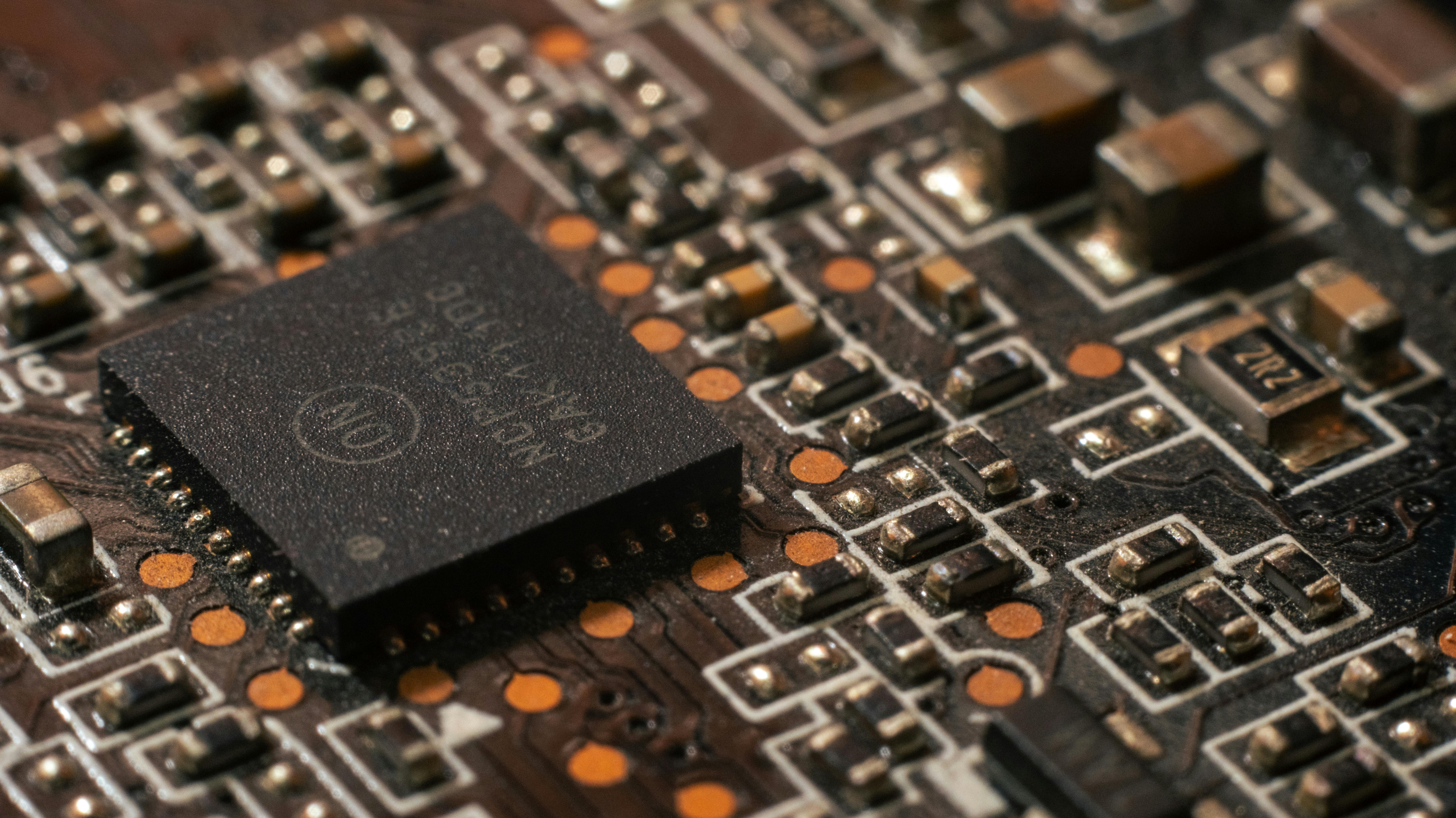
While AI has been a buzzword in tech for years, its true integration into personal electronics has seen an exponential surge since 2024. Early iterations, like voice assistants (Siri, Google Assistant) and basic image recognition, were merely appetizers. The main course began with dedicated AI hardware – Neural Processing Units (NPUs) – becoming standard in flagship chipsets. These specialized cores are designed to handle complex AI computations efficiently, reducing reliance on cloud processing, enhancing privacy, and dramatically improving speed and battery life.
By 2026, this technology has matured significantly. On-device LLMs can now perform sophisticated tasks such as real-time language translation, advanced content summarization, generative text and image creation, and highly contextual smart replies without sending your data to remote servers. This leap has profound implications across several key areas:
- Computational Photography 3.0: Beyond simple HDR, AI now enables cinematic video re-lighting, object removal in real-time, hyper-realistic photo upscaling, and even predictive capture that anticipates the perfect moment.
- Hyper-Personalized Productivity: Your device learns your routines, suggests relevant actions, summarizes lengthy emails, drafts responses, and organizes your digital life with an intuitive understanding of your priorities.
- Advanced Health & Wellness Monitoring: Wearables leverage AI to provide predictive health insights based on continuous biometric data, detecting anomalies, offering personalized fitness plans, and even assisting in early detection of potential health issues with greater accuracy than ever before.
- Seamless User Experience: Adaptive UIs learn your preferences, optimizing app performance, battery usage, and even display settings based on your habits and environment.
The imperative for on-device AI also stems from growing concerns about data privacy and security. Processing sensitive personal data locally rather than in the cloud offers a robust layer of protection, giving users greater control and peace of mind. This technological bedrock sets the stage for a truly intelligent and personal tech experience.
Expert Opinion / Analysis: The Dawn of the 'Proactive Companion'
Industry analysts universally agree: 2026 marks the definitive shift from reactive gadgets to proactive companions. "The hardware wars are over; the AI wars have just begun," states Dr. Evelyn Reed, a leading tech futurist from Silicon Insights. "Consumers are no longer just buying a phone; they're investing in an intelligent agent that understands them, learns from them, and actively enhances their daily lives. The true differentiator now is the quality, efficiency, and privacy of a device's on-device AI capabilities."
Major players like Apple, Samsung, Google, and Qualcomm have poured billions into developing their proprietary AI ecosystems. Qualcomm's Snapdragon X Elite and Apple's A18 Bionic (and their successors in 2026) boast NPUs capable of trillions of operations per second, specifically optimized for complex generative AI tasks. This competitive landscape is driving rapid innovation, pushing manufacturers to integrate AI not just as a feature, but as the core operating principle of their devices.
Another crucial aspect highlighted by experts is the integration across ecosystems. "The real power of AI will be unleashed when your phone, watch, earbuds, and even smart home devices communicate intelligently and share learned insights, all while maintaining stringent privacy standards through federated learning and edge computing," explains Mark Chen, CEO of FutureTech Analytics. This means your smart ecosystem will adapt to your needs as a cohesive unit, offering unparalleled convenience and personalized experiences that were previously unimaginable. The challenge, however, remains in clearly communicating the tangible benefits of this sophisticated AI to consumers, distinguishing genuine innovation from mere marketing hype.
💰 Best Options in Comparison: Your Next AI-Powered Powerhouse
Choosing your next AI-powered device in 2026 is an exciting decision, with top brands vying for your attention with truly revolutionary features. Here’s a look at the standout contenders in both the smartphone and wearable categories, focusing on their unique AI strengths designed for users with purchasing intent.
Top AI Smartphones of 2026:
-
Apple iPhone 18 Pro Max: The Ecosystem Maestro
The iPhone 18 Pro Max, powered by Apple's A18 Bionic Pro chip, is the pinnacle of on-device AI integration within a seamless ecosystem. Its core strength lies in its deeply embedded AI, offering unparalleled privacy through local processing. Expect revolutionary computational photography that goes beyond mere edits – think real-time cinematic re-lighting and AI-generated depth maps for stunning video. Its 'Proactive Intelligence' learns your habits, optimizing battery life, suggesting workflows, and even drafting context-aware replies across all Apple apps. Ideal for users deeply invested in the Apple ecosystem who prioritize privacy, intuitive design, and cutting-edge photo/video AI.
-
Samsung Galaxy S26 Ultra: The Multimodal Powerhouse
Samsung's Galaxy S26 Ultra continues to push boundaries with its 'Galaxy AI' suite, powered by a custom Snapdragon X Elite variant. This device excels in multimodal AI, allowing you to seamlessly interact using voice, text, and the enhanced S-Pen. Its AI-driven 'Live Translate 2.0' offers real-time, natural conversations across languages, while 'Circle to Search' is now contextually aware, understanding complex queries directly from your screen. The camera system leverages generative AI for incredible zoom capabilities and 'AI Enhance 3.0' for professional-grade photo restoration and manipulation. Perfect for power users, content creators, and those who demand versatile, advanced AI tools.
-
Google Pixel 11 Pro: The Pure AI Experience
The Pixel 11 Pro, with Google's Tensor G6 chip, is designed from the ground up to showcase the best of Google's AI. It's the ultimate 'smart assistant' in your pocket. Features like 'Magic Editor 4.0' offer unprecedented photo and video manipulation, while 'Call Screen 3.0' and 'Assistant with Bard' deliver hyper-personalized communication and information retrieval. Its on-device LLM provides instant summarization of web pages and documents, and predictive text generation that feels genuinely intuitive. This phone is for users who prioritize software intelligence, a clean Android experience, and cutting-edge Google AI features.
-
OnePlus 14 Pro: The Performance AI Challenger
The OnePlus 14 Pro, equipped with the latest high-performance Snapdragon, focuses on speed and efficiency in its AI implementation. OxygenOS 14 integrates 'Fluid AI' for adaptive performance optimization, ensuring apps launch faster and background tasks are managed intelligently. Its camera AI, co-developed with Hasselblad, offers 'AI Scene Enhancement 2.0' for stunning natural-looking photos and 'HyperFlow Video' for incredibly stable, AI-corrected footage. It delivers a premium AI experience at a competitive price, appealing to users who value raw performance, fast charging, and a fluid, AI-optimized user interface.
Top AI Wearables of 2026:
-
Apple Watch Series X: The Health Guardian
The Apple Watch Series X continues its dominance in health and fitness, now supercharged with advanced on-device AI. Its 'Predictive Health Insights' leverage years of biometric data to offer proactive warnings for potential health issues, suggest optimal recovery times, and personalize fitness routines with unparalleled accuracy. Seamless integration with iPhone's AI ensures a unified health profile and smart notifications that truly matter. Essential for health-conscious individuals and those deeply embedded in the Apple ecosystem.
-
Samsung Galaxy Watch 8 Ultra: The Comprehensive Wellness Coach
The Galaxy Watch 8 Ultra, with its enhanced BioActive Sensor and Tizen AI, provides a holistic view of your wellness. Its 'AI Stress & Recovery Coach' uses advanced algorithms to monitor stress levels, recommend mindfulness exercises, and optimize sleep patterns based on your daily activities. It also features 'Workout AI 2.0' which adapts coaching in real-time based on your performance and biometric feedback. Best for Android users seeking a robust, feature-rich health and fitness tracker with deep AI analytics.
-
Google Pixel Watch 4: The Smart Lifestyle Companion
The Pixel Watch 4, running the latest Wear OS with deep Fitbit AI integration, is your ultimate smart lifestyle companion. Its 'Adaptive Activity Tracking' intelligently recognizes and logs diverse workouts, while 'Fitbit Sense AI' provides personalized insights into readiness, sleep quality, and heart health trends. With enhanced Google Assistant capabilities and on-device LLM for quick queries, it's perfect for users who want a stylish wearable that integrates seamlessly with Google's AI services and offers intelligent lifestyle management.
Comparison Table: AI Features That Define the Future
| Feature/Device | Apple iPhone 18 Pro Max / Watch Series X | Samsung Galaxy S26 Ultra / Watch 8 Ultra | Google Pixel 11 Pro / Watch 4 | OnePlus 14 Pro |
|---|---|---|---|---|
| Core AI Chip (NPU) | A18 Bionic Pro (Custom NPU) | Custom Snapdragon X Elite (Enhanced NPU) | Tensor G6 (Google's Advanced NPU) | Latest Snapdragon (High-Perf NPU) |
| Computational Photography AI | Real-time Cinematic Re-lighting, AI Depth Maps, Predictive Capture | Generative Zoom, AI Enhance 3.0 (Restoration/Manipulation) | Magic Editor 4.0 (Advanced Object/Scene Manipulation) | AI Scene Enhancement 2.0, HyperFlow Video Stabilization |
| On-Device LLM Capabilities | Proactive Intelligence (Workflow, Replies), Contextual Siri | Live Translate 2.0 (Real-time), Context-aware Circle to Search | Assistant with Bard, Instant Summarization, Predictive Text | Fluid AI (Adaptive Performance), Smart Suggestions |
| Health & Wellness AI (Wearables) | Predictive Health Insights, Personalized Fitness Plans | AI Stress & Recovery Coach, Workout AI 2.0 | Adaptive Activity Tracking, Fitbit Sense AI (Readiness/Sleep) | N/A (Smartphone only) |
| Privacy Focus | Strong On-Device Processing, Data Minimization | Hybrid Cloud/On-Device, User Control for Data Sharing | Emphasis on On-Device, Federated Learning | Balanced On-Device/Cloud for Performance |
| Target User | Ecosystem users, Privacy-focused, Photo/Video enthusiasts | Power users, Content creators, Multilingual professionals | Google AI fans, Software-first, Smart Assistant integration | Performance seekers, Value-conscious, Fast & Fluid experience |
Outlook & Trends: The Future is Intuitively Intelligent
Looking beyond 2026, the trajectory of AI in personal electronics points towards an even deeper, more integrated, and intuitively intelligent future. We can anticipate several key trends:
- Ubiquitous AI Agents: Your personal AI will transcend individual devices, becoming a truly ubiquitous agent that understands your context across your car, home, and all personal gadgets. It will anticipate needs, manage schedules, and even interact with other AI systems on your behalf.
- Modular AI Hardware & Upgrades: As AI models evolve rapidly, there's a growing possibility of modular NPU upgrades or more flexible, software-defined AI hardware that can adapt to new algorithms without requiring a full device replacement.
- Hyper-Personalized & Adaptive Interfaces: User interfaces will become truly dynamic, adapting not just to your preferences, but also to your emotional state, cognitive load, and immediate environment, offering a truly bespoke digital experience.
- Ethical AI & Transparency: The conversation around ethical AI, explainable AI (XAI), and greater user control over AI decision-making will intensify. Consumers will demand transparency in how their data is used and how AI influences their digital lives.
- Specialized AI for Niche Applications: Expect to see more specialized AI chips and software tailored for specific industries or hobbies, from advanced medical diagnostics in wearables to hyper-realistic gaming AI in portable consoles.
The future isn't just about more powerful chips; it's about smarter, more empathetic, and more secure intelligence that truly serves human needs and desires, making technology truly work for us, rather than the other way around.
Conclusion: Your Smartest Upgrade Awaits
The AI revolution in smartphones and wearables is not a distant promise; it is the defining characteristic of personal electronics in 2026. From the unparalleled privacy and deep ecosystem integration of Apple's offerings to Samsung's multimodal prowess, Google's software-first intelligence, and OnePlus's performance-driven AI, the choices are richer and more impactful than ever before. Your next device is more than just a communication tool; it's a sophisticated, on-device AI companion ready to enhance your productivity, creativity, health, and overall quality of life.
For discerning buyers with purchasing intent, the question is no longer merely 'which brand?' but 'which AI ecosystem best aligns with my lifestyle and priorities?' We at topbrandsforall.com urge you to consider the AI features that truly matter to you – be it computational photography, health monitoring, productivity tools, or privacy. Investing in an AI-powered device in 2026 means investing in a future where technology truly understands and anticipates your needs. The smart upgrade is here; are you ready to embrace it?