
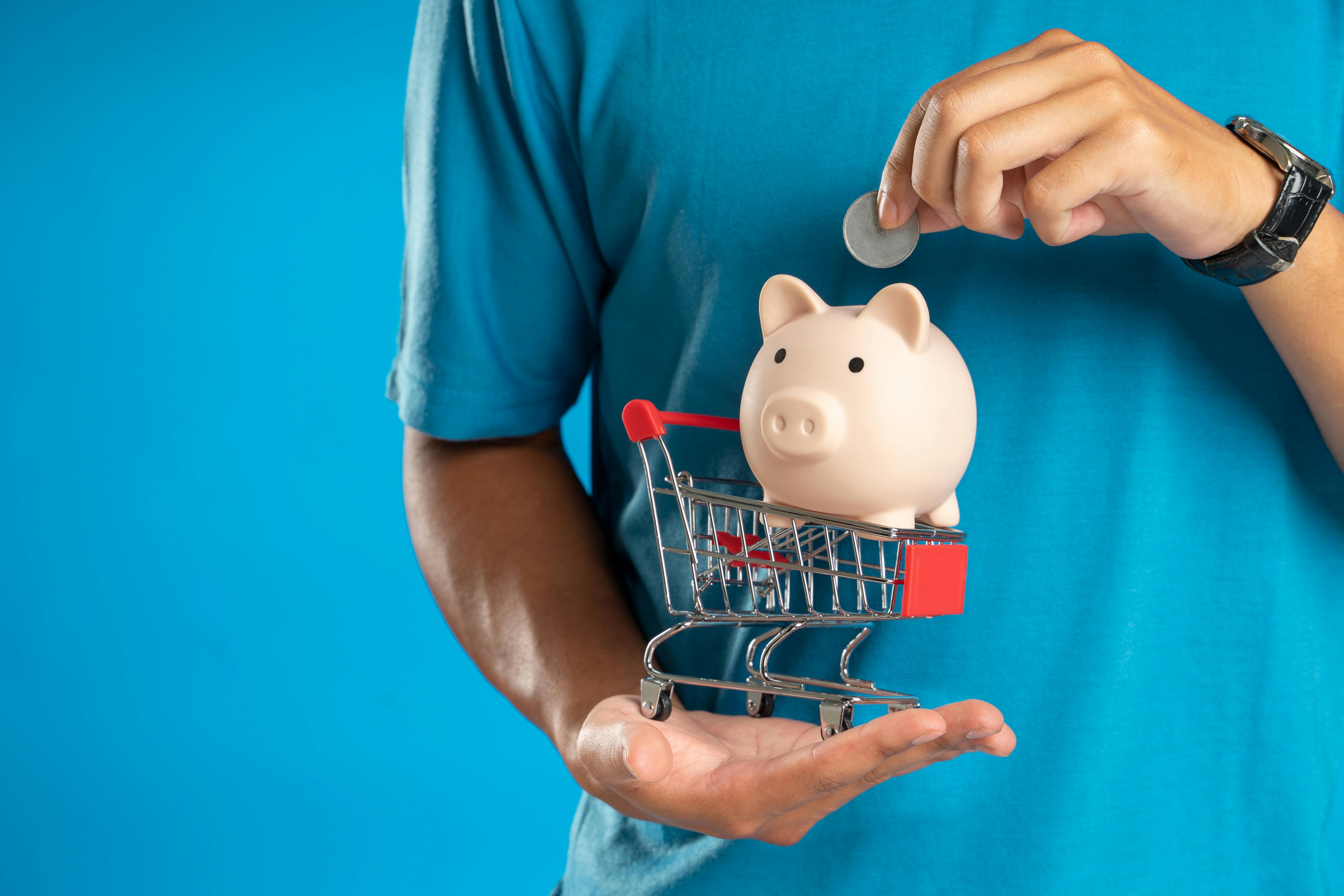
Navigate the soaring costs of 2026 with cutting-edge grocery savings strategies. Discover AI-powered apps, personalized meal planning services, and smart bulk buying clubs to drastically reduce your household budget and maximize every dollar spent on groceries. Learn how to save big on food, optimize your shopping, and conquer inflation with the latest technology and expert insights.
Introduction to the Topic
Welcome to 2026, where the cost of living continues its relentless climb, and nowhere is this more acutely felt than at the grocery checkout. The days of simply clipping paper coupons are long gone; today's savvy consumer needs an arsenal of advanced tools and strategies to combat rising food prices. With inflation showing persistent resilience and supply chain complexities continuing to impact our wallets, finding innovative ways to save on groceries isn't just a suggestion—it's a necessity. This article, brought to you by topbrandsforall.com, delves into the future of grocery savings, revealing how cutting-edge AI, smart digital platforms, and evolving consumer behaviors are empowering households to reclaim control over their food budgets. Prepare to discover the game-changing hacks that promise to slash your grocery spending by up to 40%, transforming how you shop, cook, and eat.
Backgrounds & Facts
The economic landscape of 2026 presents a unique challenge for consumers. Global events, shifts in agricultural practices, and heightened demand for sustainable and ethically sourced products have pushed grocery prices to unprecedented levels. According to a recent report by the Global Food Economics Council, the average household grocery bill has seen a cumulative increase of 28% over the past five years, with projections indicating a further 5-7% rise this year alone. This isn't just about a few extra dollars; it's a significant strain on household budgets, forcing families to make difficult choices.
However, this pressure has also catalyzed a revolution in how we approach food shopping. The advent of sophisticated Artificial Intelligence (AI) and machine learning (ML) has moved beyond mere recommendations, evolving into predictive analytics that can anticipate price fluctuations, optimize meal plans based on existing pantry items, and even automatically apply the best digital coupons at checkout. Data from a 2025 consumer survey by 'RetailTech Insights' revealed that 65% of shoppers now regularly use a grocery savings app, up from just 20% in 2020. Furthermore, the rise of the conscious consumer has led to increased interest in reducing food waste, with 70% of respondents indicating a willingness to use 'ugly produce' or subscription boxes that repurpose surplus food to save money and support sustainability.
The market has responded with a proliferation of innovative services, from hyper-personalized meal kit alternatives that adapt to your dietary needs and budget, to community-driven bulk buying platforms that leverage collective purchasing power. The focus has shifted from reactive savings (e.g., waiting for sales) to proactive, data-driven strategies that integrate seamlessly into daily life. This isn't just about saving money; it's about smarter, more sustainable living in the digital age.
Expert Opinion / Analysis
We sat down with Dr. Anya Sharma, a leading economist and co-founder of the 'FutureFood Institute,' to get her perspective on the seismic shifts in grocery savings. "What we're witnessing in 2026 is a maturation of consumer technology applied to everyday living," Dr. Sharma explains. "Gone are the days when 'budget shopping' meant sacrificing quality or variety. Today, AI-driven platforms offer unparalleled personalization, allowing individuals to save significant amounts without feeling deprived."
Dr. Sharma emphasizes the psychological aspect of these new tools. "Many traditional budgeting methods failed because they required constant manual effort and willpower. Modern AI alleviates this burden. Imagine an app that learns your family's eating habits, cross-references it with real-time local store prices, factors in expiring items in your smart fridge, and then generates an optimized shopping list and meal plan that minimizes waste and maximizes savings – all with minimal input from you. This level of automation turns saving into an effortless default, rather than a conscious struggle."
She also highlighted the growing importance of community-based saving. "Platforms that connect consumers for bulk buying or shared delivery routes are tapping into a powerful collective economy. It’s not just about individual discounts; it’s about leveraging group power to negotiate better prices directly with suppliers or distribution centers, bypassing traditional retail markups. This trend is particularly impactful for specialty items or organic produce, which often carry higher price tags."
Dr. Sharma concludes, "The key takeaway for 2026 is integration. The most effective savings strategies are those that weave seamlessly into your digital ecosystem – from your smart kitchen appliances to your financial planning apps. It's about making smart choices the easiest choices, ultimately empowering consumers to navigate economic pressures with unprecedented efficiency and intelligence."
💰 Best Options in Comparison (VERY IMPORTANT)
Navigating the crowded landscape of grocery savings tools can be daunting. To help you make the smartest choices, we've identified and compared the top innovative platforms poised to revolutionize your grocery budget in 2026. These options leverage AI, community power, and smart logistics to deliver significant savings.
- Harvest AI: Your Personalized Pantry & Price Optimizer
Harvest AI is a comprehensive AI-powered platform designed to be your ultimate grocery co-pilot. It integrates with smart kitchen appliances (fridges, pantries), tracks your current inventory, learns your family's dietary preferences and consumption patterns, and then cross-references this data with real-time pricing from local and online grocers. It generates optimized shopping lists, suggests meal plans that utilize expiring ingredients, and even predicts the best time to buy certain items based on historical price data. Its 'SmartDeal Alert' feature notifies you of personalized discounts before they expire. - BulkBuddy Pro: The Community-Powered Bulk Buying Club
For those looking to save big on staple items and specialty goods, BulkBuddy Pro offers a revolutionary subscription model. It connects users in local communities, allowing them to pool orders for bulk purchases directly from wholesalers and manufacturers. This collective bargaining power secures significantly lower prices than traditional retail. Beyond just bulk items, it facilitates shared delivery routes, reducing individual shipping costs and environmental impact. Members can also discover exclusive 'group buy' deals on premium organic produce and sustainable products. - SmartCart Sentinel: Real-time Price Comparison & Automated Coupons
SmartCart Sentinel is a browser extension and mobile app that operates silently in the background, ensuring you never overpay. As you browse online grocery stores or even scan items in-store, it instantly compares prices across all major retailers in your area. Its AI-driven coupon aggregator automatically finds and applies the best digital coupons and promo codes at checkout, often stacking discounts you didn't even know existed. It also tracks your loyalty points across multiple programs, ensuring maximum redemption value. - ZeroWaste Chef: Sustainable Savings through 'Ugly' Produce & Meal Kits
Addressing both budget constraints and environmental concerns, ZeroWaste Chef is a subscription service that delivers weekly boxes of 'imperfect' or surplus produce and pantry staples directly to your door at a fraction of supermarket prices. These items are perfectly good but might be oddly shaped or nearing their sell-by date, making them ideal for reducing food waste. Each box comes with creative, easy-to-follow recipes tailored to the week's ingredients, turning potential waste into delicious, affordable meals.
Here’s a clear HTML table comparing these key options:
| Feature | Harvest AI | BulkBuddy Pro | SmartCart Sentinel | ZeroWaste Chef |
|---|---|---|---|---|
| Primary Function | AI Meal Planning & Price Prediction | Community Bulk Buying & Wholesale Access | Real-time Price Comparison & Auto-Coupons | Discounted 'Ugly' Produce & Meal Kits |
| Target User | Tech-savvy, busy families, meal planners | Budget-conscious, bulk purchasers, eco-friendly | Deal hunters, online shoppers, coupon maximizers | Sustainable eaters, healthy budgeters, waste reducers |
| Subscription Cost (2026 est.) | $9.99/month | $14.99/month | Free (Premium: $4.99/month) | Starts at $30/week (box dependent) |
| Estimated Savings Potential | 15-25% on overall groceries | 20-40% on bulk items | 10-20% on individual purchases | 30-50% on produce & meal kits |
| Unique Selling Proposition | Holistic, proactive meal & shopping optimization | Unlocks wholesale prices through community power | Automated, real-time deal finding across all platforms | Combines savings with significant food waste reduction |
| Key Integrations | Smart Fridges, Smart Pantries, Fitness Trackers | Local Community Groups, Direct Suppliers | All major online grocers, local store apps | Local farms, food recovery networks |
Outlook & Trends
The future of grocery savings in 2026 and beyond promises even greater innovation and integration. We anticipate several key trends shaping how we save:
- Hyper-Personalized Nutrition & Budgeting: AI will evolve to not only optimize for price but also for individual health goals, dietary restrictions, and even genetic predispositions, creating meal plans that are both cost-effective and perfectly tailored to your body's needs.
- Blockchain for Transparency: Expect blockchain technology to play a larger role in supply chain transparency, allowing consumers to trace their food's journey from farm to fork, ensuring ethical sourcing and potentially revealing opportunities for direct-to-consumer savings.
- Gamified Savings & Loyalty Programs: Grocery retailers and apps will increasingly incorporate gamification elements, turning saving into a rewarding and engaging experience. Think challenges, badges, and competitive leaderboards that drive consistent savings behaviors.
- Sustainable Consumption as a Savings Driver: The nexus between sustainability and savings will strengthen. Apps promoting zero-waste living, local sourcing, and home gardening technologies (like smart indoor farms) will become primary tools for reducing both environmental footprint and grocery bills.
- The 'Subscription Economy' Expansion: Beyond meal kits, expect more specialized grocery subscription boxes for niche dietary needs (e.g., allergen-free, keto, high-protein) or specific product categories (e.g., ethically sourced spices, sustainable cleaning supplies), all optimized for value and convenience.
- Predictive Analytics for Dynamic Pricing: AI will enable stores to implement more dynamic pricing strategies. While this could be a double-edged sword, smart consumer apps will leverage this to advise shoppers on the absolute best time to buy, even down to the hour, maximizing savings on highly perishable goods.
The landscape of grocery shopping is transforming into a sophisticated ecosystem where technology and conscious consumption converge to empower the consumer. Staying informed and adopting these emerging tools will be crucial for financial resilience.
Conclusion
In the challenging economic climate of 2026, simply hoping for better prices is no longer a viable strategy. The good news is that an exciting new era of grocery savings is upon us, powered by intelligent AI, collaborative communities, and a renewed focus on sustainable living. From personalized meal planning and automated coupon clipping to leveraging collective buying power and embracing 'ugly' produce, the tools available today offer unprecedented opportunities to significantly reduce your food budget.
Don't let rising costs dictate your pantry or your plate. Embrace the future of grocery savings by exploring the innovative apps and services discussed. By integrating these smart solutions into your daily routine, you're not just saving money; you're adopting a smarter, more efficient, and more sustainable approach to feeding yourself and your family. Start optimizing your grocery spending today and reclaim control over your household finances. Your wallet—and the planet—will thank you!